Blog

  • Digital Transformation: The Key to Future-Ready Businesses

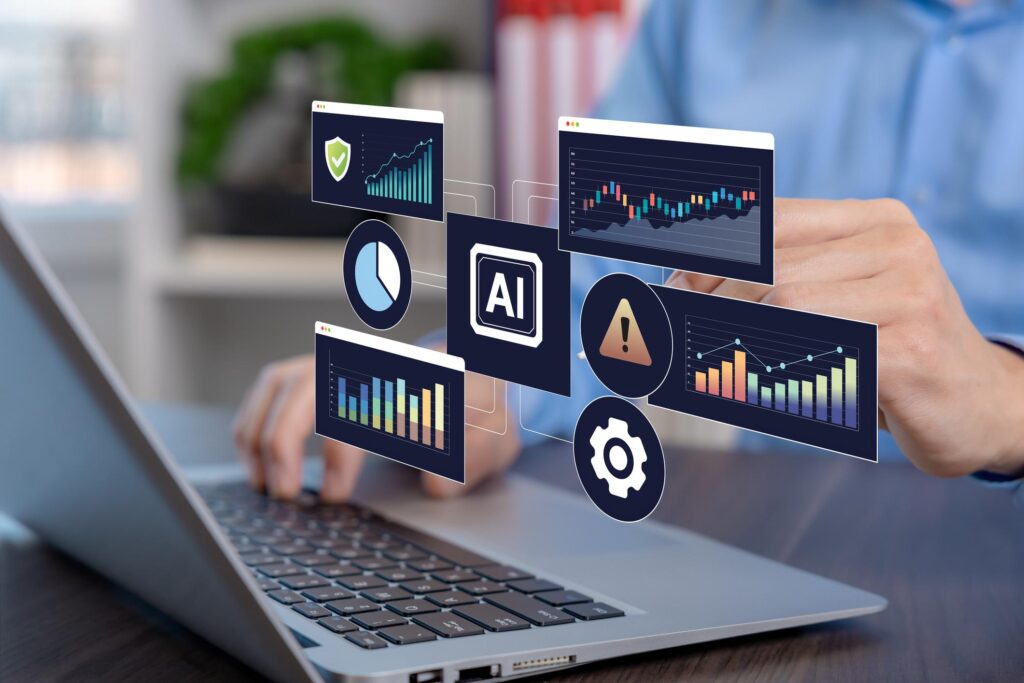
    Two hand pointing to virtual artificial intelligence with cloud technology transformation and internet of thing . Cloud technology management big data include business strategy , customer service.

    Introduction

    Digital transformation is the process of integrating technology into every aspect of business operations to improve efficiency, agility, and customer experience.

    It enables organizations to adapt quickly to changing markets and customer expectations.

    Core Elements of Digital Transformation

    1. Cloud Computing

    Cloud platforms provide scalability, flexibility, and cost efficiency.

    2. Automation

    Automation reduces manual work and increases operational efficiency.

    3. Data-Driven Decision Making

    Businesses use data analytics to make informed decisions and improve performance.

    4. Modern Software Platforms

    Digital platforms improve internal workflows and customer engagement.

    Benefits of Digital Transformation

    • Increased efficiency
    • Reduced operational costs
    • Improved customer experience
    • Enhanced scalability
    • Faster innovation

    Digital transformation is essential for businesses that want to thrive in the modern digital economy.


  • Why Custom Software Development Is Essential for Business Growth

    Introduction

    Off-the-shelf software can only take businesses so far. As organizations grow, they require systems tailored to their unique workflows, customers, and operational needs.

    Custom software development provides solutions specifically designed to support business goals and improve efficiency.

    Advantages of Custom Software

    1. Tailored to Business Needs

    Custom software aligns perfectly with your workflows, eliminating unnecessary features and inefficiencies.

    2. Scalability

    As your business grows, custom systems can be expanded and enhanced without limitations.

    3. Integration with Existing Systems

    Custom solutions integrate seamlessly with CRMs, ERPs, payment systems, APIs, and other tools.

    4. Enhanced Security

    Custom software provides better protection since it is designed specifically for your organization.

    5. Competitive Advantage

    Businesses with custom platforms operate more efficiently and deliver superior customer experiences.

    Examples of Custom Software Solutions

    • Insurance management systems
    • Customer portals
    • Enterprise dashboards
    • Mobile applications
    • Automation platforms

    Custom software empowers businesses to innovate and scale effectively.

  • The Critical Role of Networking Infrastructure in Modern Enterprises

    Introduction

    Networking infrastructure forms the backbone of every modern digital business. Whether hosting applications, managing internal systems, or supporting remote work, reliable networking ensures seamless communication and uninterrupted operations.

    A poorly designed network can lead to downtime, security vulnerabilities, and performance bottlenecks.

    Core Components of Modern Networking

    1. Secure Network Architecture

    Modern networks use firewalls, VLANs, and secure gateways to protect systems and prevent unauthorized access.

    2. Cloud Integration

    Businesses are increasingly integrating on-premise infrastructure with cloud platforms such as AWS, Azure, and Google Cloud to enhance scalability and flexibility.

    3. High-Speed Connectivity

    Fast and reliable connectivity ensures smooth application performance, especially for real-time services such as video conferencing and online transactions.

    4. Network Monitoring and Optimization

    Monitoring tools help detect failures, optimize performance, and prevent outages before they impact operations.

    Benefits of Strong Networking Infrastructure

    • Improved system performance
    • Enhanced cybersecurity
    • Better scalability
    • Increased operational reliability
    • Seamless integration with modern applications

    Networking is no longer just IT support—it is a strategic business asset.

  • How AI Is Transforming Modern Businesses in 2026

    Artificial Intelligence (AI) is no longer a futuristic concept—it is now a core driver of business innovation. From automating repetitive tasks to providing predictive insights, AI is helping organizations increase efficiency, reduce operational costs, and make smarter decisions faster than ever before.

    Businesses across industries—including insurance, finance, healthcare, logistics, and e-commerce—are adopting AI to streamline workflows and improve customer experiences.

    Key Applications of AI in Business

    Intelligent Automation

    AI-powered automation tools can handle repetitive processes such as data entry, claims processing, customer support, and reporting. This frees employees to focus on strategic and creative work.

    Predictive Analytics

    Machine learning models analyze historical data to predict customer behavior, market trends, and operational risks, allowing companies to proactively plan and optimize outcomes.

    Personalized Customer Experience

    AI enables businesses to deliver highly personalized recommendations, communications, and services, improving customer satisfaction and increasing conversion rates.

    Fraud Detection and Risk Management

    AI systems can identify suspicious patterns in real time, helping businesses prevent fraud, enhance compliance, and protect sensitive data.

    Why Businesses Must Adopt AI Now

    Organizations that adopt AI early gain a competitive advantage through faster decision-making, improved efficiency, and enhanced customer engagement.

    AI is no longer optional—it is essential for businesses that want to remain competitive in the digital economy.